Views: 0 Author: Site Editor Publish Time: 2026-01-05 Origin: Site
Machining precision starts with the right cutting tool. But how do you select the perfect one for your CNC machining needs?
In this guide, we’ll explore the crucial role of cutting tools in CNC machining. You’ll learn how to choose the right tools to boost productivity, precision, and tool longevity.
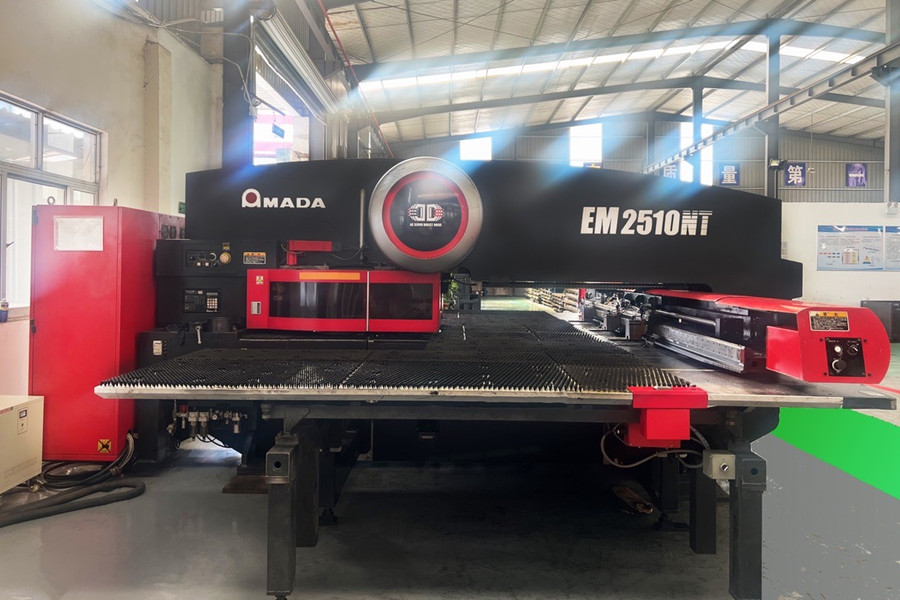
Cutting tools are devices used in various machining processes, including CNC machining, to remove material from a workpiece. Their primary function is to shape, cut, or finish materials to the desired dimensions and surface finish. Cutting tools operate by applying sufficient force to shear off parts of the material, transforming it into a precise shape.
In CNC machining, cutting tools directly interact with the workpiece, and their performance significantly affects machining quality and productivity. Sharp and well-maintained cutting tools ensure precision, smooth finishes, and reduced cycle times. On the other hand, worn-out or incorrectly selected tools can lead to poor results, inefficiencies, and extended production times.\
Though cutting tools and machine tools are both vital components in machining, they serve different purposes. Machine tools such as CNC lathes, milling machines, or drills hold the workpiece and facilitate its movement, providing the necessary setup and support for machining operations. In contrast, cutting tools directly engage with the material to perform the actual material removal process, creating the desired shape and finish.
In CNC machining, the cutting tool interacts with the material, removing chips and shaping the workpiece according to the design specifications. The machine tool ensures that the cutting tool is correctly positioned and moves along predetermined paths, ensuring high precision.
The choice of cutting tool material significantly impacts the performance, durability, and quality of the finished workpiece. A well-selected material not only improves machining efficiency but also ensures precision, prolongs tool life, and minimizes downtime. There are various materials used in cutting tools, each offering unique properties tailored to specific applications.
The most commonly used materials for cutting tools are:
Material | Key Features | Best Used For |
High-Speed Steel (HSS) | Affordable, versatile, good wear resistance | General machining, low to moderate-speed applications |
Carbide | High hardness, heat resistance, sharpness retention | High-speed machining, hard materials |
Ceramics and CBN | Extremely heat-resistant, ideal for tough materials | High-speed machining of cast iron and hardened steel |
Diamond Tools | Exceptionally hard, precise, long-lasting | Non-ferrous metals like aluminum and copper |
Each of these materials comes with distinct advantages, making them suitable for specific machining conditions. Understanding these materials' properties and applications is essential to choosing the correct cutting tool for a particular CNC machining task.
● High-Speed Steel (HSS): HSS is one of the most commonly used materials in cutting tools due to its versatility and cost-effectiveness. It offers good wear resistance, allowing it to withstand the heat generated during machining without losing its cutting edge. HSS tools are typically used for general machining operations where moderate cutting speeds are required. They are also easy to sharpen and recondition, making them an affordable option for low-speed applications.
● Carbide: Carbide tools are made from a combination of tungsten carbide and other elements, making them extremely hard and wear-resistant. Carbide tools are preferred for high-speed machining, particularly for cutting harder materials like stainless steel and tool steels. Unlike HSS, carbide tools maintain their sharpness longer, which increases tool life and reduces downtime. Carbide tools are also less prone to thermal expansion, making them ideal for precision machining.
● Ceramics and CBN (Cubic Boron Nitride): Ceramics and CBN are used in high-speed machining applications where heat resistance and durability are crucial. Ceramics are highly resistant to heat and wear, making them ideal for finishing operations on materials such as cast iron and hardened steel. However, they are more brittle than carbide, so they are typically used for continuous cutting tasks. CBN, which is second only to diamond in hardness, is especially effective for machining hardened steels and superalloys.
● Diamond Tools: Diamond is the hardest known material, offering exceptional wear resistance and a high degree of precision. Diamond-tipped cutting tools are commonly used in machining non-ferrous metals, such as aluminum, copper, and certain plastics. Diamond tools provide excellent surface finishes and are particularly useful in applications where tight tolerances are required. They are especially beneficial for high-precision operations in industries like aerospace, automotive, and electronics.
When selecting cutting tool materials for CNC machining, several factors must be carefully considered to ensure optimal performance:
● Hardness: The material of the cutting tool must be harder than the material being machined. Hard materials, such as carbide and diamond, are essential for cutting tough metals and alloys. Carbide, in particular, is the material of choice for high-speed operations on hard metals like tool steels, while diamond tools are best suited for non-ferrous materials that require ultra-precise cutting.
● Toughness: While hardness is critical, toughness is equally important, especially in operations where cutting forces can vary. Some materials, such as HSS, offer excellent toughness, allowing them to withstand shock and breakage in interrupted cuts. This makes them a good option for machining applications where the workpiece may experience fluctuations in force or where tool breakage can occur easily.
● Wear Resistance: Cutting tools endure significant wear during machining, especially when working with hard or abrasive materials. Carbide and CBN tools excel in wear resistance, allowing them to retain their sharpness and cutting ability for longer periods. This is essential for high-speed CNC machining, where tools need to withstand continuous use without requiring frequent replacements.
The geometry of a cutting tool plays a crucial role in its effectiveness and longevity. The most important angles in cutting tool design include the rake angle, clearance angle, and cutting edge angle.
● Rake Angle: This angle influences how easily the cutting tool shears through the material. A positive rake angle reduces cutting resistance, making the process smoother, while a negative rake angle provides more strength for cutting harder materials.
● Clearance Angle: The clearance angle ensures that only the cutting edge makes contact with the workpiece, reducing friction and preventing excessive wear on the tool.
Proper geometry ensures efficient chip removal, improved surface finish, and reduced cutting forces, thereby enhancing both tool life and machining productivity.
Tool geometry directly impacts several factors in the machining process, including heat dissipation, chip formation, and surface finish. For example, the nose radius of a tool affects how it distributes cutting forces, and a larger nose radius generally improves the surface finish by reducing tool deflection.
To achieve the best machining results, CNC operators must carefully select cutting tools with optimal geometry based on the material being cut and the type of operation being performed. A well-designed cutting tool geometry leads to better precision, smoother finishes, and more efficient cutting.
Single-point cutting tools are typically used in turning operations in CNC lathes. These tools have a single cutting edge and are designed to remove material from the workpiece gradually. Single-point tools are primarily used to produce cylindrical shapes, such as shafts, and are particularly effective for finishing operations.
Multi-point cutting tools, such as drill bits and milling cutters, feature multiple cutting edges that work simultaneously. This feature allows them to remove material more efficiently and create smoother finishes than single-point tools.
● Milling Cutters: These tools are versatile and can be used to create a wide range of shapes, surfaces, slots, and contours in the material.
● Drill Bits: Drills are specifically designed to create round holes of various sizes in materials, and their multi-point design enables faster and more even cutting.
Selecting the appropriate cutting tool for a specific operation is critical to achieving high-quality results in CNC machining. Here’s a comparison of some common CNC operations and the tools used for each:
Operation | Recommended Tool | Best Features |
Drilling | Drill Bits | Used for hole-making, available in various sizes and designs |
Milling | Milling Cutters | Versatile for complex shapes, slots, and surfaces |
Turning | Single-Point Turning Tools | Ideal for creating cylindrical shapes |
Each operation has specific requirements, and selecting the right tool for the job is essential to maintaining efficiency and precision.
Over time, cutting tools undergo wear and tear, affecting their performance. The most common types of wear include:
● Flank Wear: This occurs on the side of the tool, impacting dimensional accuracy and cutting ability.
● Crater Wear: Found on the tool’s face, crater wear results from heat and pressure generated during the cutting process.
● Notch Wear: This occurs at the depth of the cut, leading to tool failure if not monitored and addressed.
Regular inspection and timely replacement of worn tools can prevent machining defects and ensure high-quality output.
There are several strategies for extending the life of CNC cutting tools:
Strategy | Description |
Coatings | Apply coatings like Titanium Nitride (TiN) to reduce wear and improve heat resistance. |
Optimized Cutting Parameters | Adjust speed, feed rate, and depth to balance cutting efficiency and minimize tool wear. |
Coolants | Use proper coolants to lower friction and dissipate heat, protecting the tool from premature wear. |
These strategies not only improve tool longevity but also enhance overall machining efficiency.
Routine tool maintenance is essential for ensuring continued performance and avoiding downtime. Regular inspection, cleaning, and sharpening can prevent tool failure during critical machining operations.
Recent innovations in cutting tools include nanostructured tools and diamond coatings. Nanostructured tools feature a refined structure at the nanoscale, offering high hardness and wear resistance. Diamond-coated tools, being the hardest material known, provide exceptional precision and longevity in high-precision CNC machining.
These advanced materials are particularly useful for machining tough materials in high-speed operations, such as aerospace components or precision electronics.
As CNC machining continues to evolve, so do the tools themselves. New developments in smart tools enable real-time monitoring of tool performance. By embedding sensors in the cutting tool, operators can track parameters like temperature, wear, and vibration, allowing for more informed decisions about tool replacement and adjustments.
Automation in CNC machining also optimizes tool usage, reducing the need for manual intervention and increasing overall efficiency.
Cutting tools are essential in manufacturing and CNC machining. Choosing the right tool impacts productivity, precision, and tool lifespan. Proper maintenance ensures tools remain effective over time. For businesses like Suzhou Welden Intelligent Tech Co., Ltd., offering high-quality cutting tools can greatly enhance machining efficiency and output, providing long-term value to customers.
A: Cutting tools in CNC machining are used to shape or remove material from a workpiece. They perform operations like drilling, milling, and turning to create precise parts.
A: Choosing the right cutting tool for CNC machining depends on the material being machined, the operation type, and the desired finish. Consider tool materials like carbide or HSS for optimal performance.
A: Proper tool maintenance in CNC machining ensures longevity, accuracy, and reduces downtime. Regular inspection and sharpening can maintain performance and avoid costly tool replacements.
A: Common materials for cutting tools include high-speed steel (HSS), carbide, ceramics, and diamond. These materials provide different levels of hardness and wear resistance for various machining tasks.
A: The geometry of cutting tools, such as rake and clearance angles, influences chip formation, heat dissipation, and surface finish. Proper geometry ensures efficient and accurate machining in CNC operations.


