Views: 0 Author: Site Editor Publish Time: 2025-11-10 Origin: Site
Laser Cutting is changing manufacturing fast. It makes precise, complex shapes with ease. Industries use it to save time and reduce waste. In this article, we explore eight key uses and explain why it matters in many sectors.
In automotive production, laser cutting ensures tight tolerances for engine components, chassis structures, and body panels. Compared to stamping and die-cutting, it produces cleaner edges and reduces rework. Manufacturers benefit from fewer defects, which directly improves assembly efficiency and vehicle performance. Laser cutting in automotive production is especially useful for intricate metal components where traditional methods fall short.
The technology allows engineers to create lightweight and complex parts, such as exhaust systems or aerodynamic panels. Materials like aluminum and stainless steel respond well to laser precision, enabling designs that balance strength and weight. It is particularly valuable for prototypes, where quick iterations are required. Using laser cutting, carmakers can explore innovative structural designs without compromising durability.
High-volume production benefits significantly from laser cutting. It reduces production time and lowers material waste by minimizing kerf widths and mistakes. Automated laser systems integrate easily into assembly lines, allowing manufacturers to maintain a consistent pace without sacrificing quality. This efficiency translates into cost savings and faster delivery of vehicles to market.
Automotive applications involve diverse metals, including steel, aluminum, and specialty alloys. Fiber lasers excel in speed and precision, cutting reflective metals effectively. Laser technology also enables multi-material assemblies, providing flexibility in hybrid vehicle components. This versatility ensures manufacturers can meet varying design specifications across vehicle models.
Table: Key Advantages of Laser Cutting in Automotive Production
Advantage | Description | Example |
Precision | Tight tolerances with minimal rework | Engine components |
Complex Shapes | Ability to create lightweight, intricate parts | Exhaust systems |
Speed | Fast production cycles | High-volume panel cutting |
Material Versatility | Works with steel, aluminum, and alloys | Chassis & body panels |
Aerospace relies on precise, lightweight structures. Laser cutting produces fuselage panels, wing sections, and interior components with minimal material loss. It allows engineers to maintain tight tolerances essential for safety and performance in extreme conditions. By enabling intricate designs, it supports both commercial and defense aerospace sectors.
Fiber and CO₂ lasers accelerate prototype production, allowing faster design iterations. Aerospace engineers can test material behavior under simulated conditions and adjust specifications without lengthy delays. This capability shortens development cycles and ensures products meet stringent regulatory standards.
Laser cutting handles titanium, aluminum, and advanced composites. It provides clean edges and minimal heat-affected zones, critical for high-performance aerospace parts. Laser versatility allows experimentation with new alloys, improving fuel efficiency and reducing component weight.
Despite the high precision, laser cutting can reduce labor and tooling costs. Automated processes require fewer operators, and rework is minimized due to accurate cuts. Over time, it contributes to lower production costs and higher throughput.
Medical devices require smooth edges and exact dimensions. Laser cutting produces stents, pacemakers, catheters, and surgical instruments with minimal heat-affected zones. The precision reduces the risk of contamination and ensures proper function inside the human body.
Stainless steel, titanium, and certain plastics respond differently to laser types. Fiber lasers and ultrafast lasers are commonly used to ensure clean cuts for each material. Choosing the appropriate technique is critical for device durability and patient safety.
Strict medical standards demand consistency and traceability. Laser cutting reduces manual errors and contamination, helping manufacturers comply with FDA and ISO regulations. Devices produced this way consistently meet high-quality requirements.
Small-batch production benefits from laser cutting’s flexibility. Rapid design iteration with CAD integration allows for personalized or specialized medical devices. This capability accelerates R&D cycles and meets emerging clinical needs efficiently.
Jewelry designers use laser cutting to create intricate patterns on rings, pendants, and bracelets. Unlike traditional engraving, it allows for highly detailed designs while preserving metal integrity. Laser precision ensures consistency across multiple pieces, enhancing both aesthetics and production efficiency.
Laser cutting enables precise shaping of gemstones and delicate metals without causing damage. This capability opens new avenues for creative design while maintaining the structural integrity of luxury items. Complex patterns, such as lattice or filigree work, are possible at production scale.
CAD-programmed laser cutting allows for customizable engravings and text. Personalization can be applied to high-value jewelry or fashion items, providing a competitive edge in the market. Mass customization is achievable without significant cost increases.
Multiple identical items can be produced with minimal human error. This efficiency ensures high-quality output for both bespoke and mass-market products. Designers benefit from faster turnaround times and reduced labor costs.
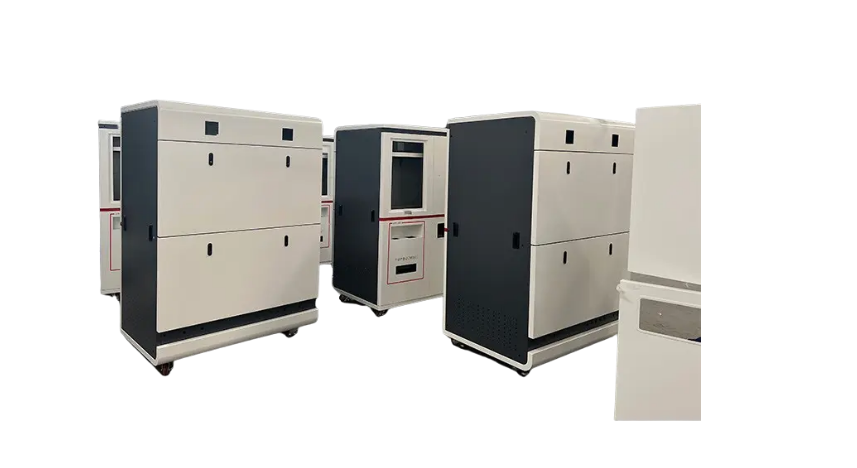
Laser cutting delivers exceptional precision for components like PCBs, semiconductor wafers, and integrated circuits. Tiny features are accurately formed, which is critical for device functionality and long-term reliability. This precision reduces defects, minimizes waste, and improves overall yield in electronics production. High-accuracy cuts also allow manufacturers to meet increasingly stringent industry standards while producing components that function consistently in complex electronic assemblies.
Femtosecond and Nd:YAG lasers provide clean, high-quality cuts with minimal thermal stress, maintaining edge integrity for delicate materials like silicon and thin metals. These lasers are essential for high-precision electronics manufacturing, where even minor imperfections can cause failure. By controlling heat-affected zones, manufacturers achieve superior quality in microelectronics, enabling intricate designs, finer tolerances, and longer-lasting components in devices such as sensors, solar cells, and microchips.
Laser cutting accelerates production cycles and reduces material waste for large-scale electronics manufacturing. It allows manufacturers to scale operations without compromising quality, producing uniform, repeatable components. The technology is especially valuable in producing solar cells, microchips, and miniature sensors, where consistency is critical. High throughput and reduced rework translate into cost savings and faster time-to-market, giving electronics manufacturers a competitive advantage in meeting growing global demand.
Laser cutting enables engraving of serial numbers, barcodes, and regulatory markings directly onto components. This ensures product traceability, compliance with industry regulations, and improved branding opportunities. For manufacturers, it provides an integrated solution for quality control and inventory management. Custom marking also allows for unique identification of critical components, which enhances product lifecycle management and reduces errors during assembly or maintenance.
Laser cutting outperforms traditional plasma and mechanical methods for cutting beams, columns, pipes, and plates. Its precise kerf width ensures clean edges, minimizes rework, and improves assembly quality. Industries like construction, automotive, and aerospace benefit from faster, more accurate fabrication. The high precision of laser cutting also enables manufacturers to implement tighter tolerances, produce complex geometries, and achieve better structural performance in critical metal components.
Minimizing waste is a key advantage of laser cutting. Accurate, clean cuts allow optimal use of expensive metals such as aluminum, brass, and specialty alloys, which directly reduces material costs. Manufacturers gain higher profitability while maintaining product quality. Efficient cutting also shortens production cycles and decreases the need for manual adjustments, further reducing labor costs and improving overall operational efficiency.
Laser systems handle a wide range of metals, including steel, aluminum, brass, and titanium. Operators can adjust parameters for material type, thickness, and desired finish, ensuring consistent quality across diverse applications. This versatility supports industries requiring multiple metal types in complex assemblies, including automotive, aerospace, and industrial fabrication, allowing for flexible and adaptive production processes without investing in multiple cutting systems.
Laser cutting supports rapid, high-volume production for complex metal components. Its speed and automation reduce lead times and reliance on manual labor. This is particularly advantageous in industries requiring large-scale assemblies or heavy-duty components. High-speed production combined with precise cuts ensures consistent quality, helping manufacturers meet tight delivery schedules while maintaining safety and performance standards.
Table: Common Metals and Laser Cutting Techniques
Metal | Recommended Laser | Key Benefit |
Steel | Fiber | High-speed cutting with tight tolerances |
Aluminum | Fiber | Clean cuts on reflective metals |
Brass | CO₂ | Precise decorative and structural cuts |
Titanium | Ultrafast | Minimal thermal damage for high-performance parts |
Ultrafast lasers prevent cracks and thermal damage when cutting technical ceramics. This allows manufacturers to produce intricate, high-precision shapes for aerospace, electronics, and advanced engineering applications. Complex patterns and functional designs are possible without compromising material integrity, improving product reliability. By reducing post-processing needs, laser cutting enhances production efficiency while maintaining strict tolerance requirements for specialized ceramic components.
Laser cutting overcomes challenges of transparency and fragility in glass. Focused laser beams produce clean edges and precise shapes, improving both aesthetic quality and functional performance. This is critical for optical components, architectural elements, and decorative items. By minimizing breakage and defects, laser cutting reduces waste and ensures consistent quality across batches, allowing manufacturers to deliver high-value glass products with intricate designs efficiently.
Fiber and CO₂ lasers cut various polymers without causing melting or deformation at the edges. This results in smooth, high-quality surfaces for automotive, packaging, and consumer products. Laser cutting increases production speed while maintaining precision, reducing post-processing time and manual labor. Consistency in cut quality enhances product performance and reliability across large-scale production runs.
Laser cutting enables creation of complex, artistic designs in tiles, sculptures, and architectural elements. It allows manufacturers and designers to achieve patterns that are difficult or impossible with traditional methods. By combining precision with creative freedom, laser technology supports both functional and aesthetic applications, enhancing the value of finished products.
Laser cutting produces highly intricate patterns, joints, and functional details in furniture and cabinetry. CO₂ lasers create clean cuts in wood, enabling both decorative and structural precision. This improves production speed, reduces errors, and ensures consistent quality for both bespoke and mass-produced items. Laser technology allows designers to implement innovative patterns without compromising material integrity.
Cardboard, plastics, and thin metals can be cut efficiently for packaging products. Laser cutting ensures consistent quality, repeatability, and suitability for short-run or custom designs. This capability benefits industries requiring personalized packaging solutions or promotional materials. The technology also reduces material waste and production time, supporting lean manufacturing principles.
Laser cutting allows precise creation of sculptures, signage, and retail displays. CAD integration ensures accuracy and facilitates complex designs. Designers and businesses can produce aesthetically compelling and functional projects efficiently. Laser technology enhances both visual appeal and structural quality, supporting creative industries in meeting commercial demands without sacrificing production efficiency.
Laser cutting reduces material waste, energy consumption, and reliance on manual labor. Optimized cutting parameters shorten production cycles while maintaining precision. Companies achieve both sustainability and cost-effectiveness, supporting environmentally conscious production strategies while delivering high-quality creative and industrial outputs.
Laser cutting excels in eight major industries. It delivers high precision, speed, and efficiency. Manufacturers enjoy less waste and faster prototyping. Welden--Smart and Precision Manufacturing. Technology provides advanced laser solutions that enhance productivity and product quality, making innovation practical and reliable.
A: Laser cutting is a precise technology that uses focused laser beams to cut materials. It ensures accuracy and clean edges, making it essential in electronics, metalworking, and creative industries.
A: Uses of laser cutting in manufacturing include producing complex parts, improving material efficiency, and speeding up production. It is widely applied in automotive, aerospace, and medical device industries.
A: Laser cutting in automotive production allows for precise engine parts, chassis components, and lightweight panels. It reduces rework, saves material, and enables complex designs.
A: Laser cutting for aerospace components provides high precision and minimal thermal damage. It allows engineers to create lightweight, reliable parts while meeting strict safety standards.
A: Benefits of laser cutting for metal fabrication include reduced waste, faster production, and the ability to cut various metals accurately. It supports high-speed and cost-effective manufacturing.
A: Laser cutting enhances electronics by providing micro-precision for PCBs, wafers, and sensors. It reduces defects, ensures repeatable cuts, and improves production yield.
A: Yes, laser cutting reduces labor, material waste, and rework compared to mechanical or plasma cutting, making it a cost-effective solution for multiple industries.
A: Absolutely. Laser cutting is ideal for intricate patterns in wood, packaging, signage, and jewelry, combining precision with aesthetic flexibility.
A: Laser cutting works on metals, plastics, ceramics, glass, and wood. Parameters can be adjusted for each material to ensure clean, precise results.


