Views: 0 Author: Site Editor Publish Time: 2025-11-10 Origin: Site
Laser Cutting transforms metal work, and fusion cutting creates precise, clean edges. It uses lasers and inert gas to melt metal efficiently. In this guide, you will learn techniques, best practices, and troubleshooting tips to cut metals while maintaining high quality.
Laser fusion cutting uses a high-powered laser to melt metal and an inert gas to remove molten material. Unlike flame cutting, it does not rely on oxidation to assist cutting. The beam focuses energy on a localized area, ensuring precise edges while limiting thermal damage to surrounding material. This makes it ideal for thin sheets and intricate designs.
The process is versatile. It works on stainless steel, aluminum, magnesium, and titanium alloys. Its unique combination of laser fusion cutting parameters such as power, speed, and gas pressure ensures the best possible cut. Operators must calibrate equipment to match material type and thickness for consistent results.
Laser fusion cutting differs from flame or vaporization cutting. Flame cutting uses oxygen to assist the laser and requires less energy but produces oxidized edges. Vaporization cutting requires higher energy to vaporize the material completely. Fusion cutting balances energy use, speed, and edge quality. It produces smooth, oxide-free edges while minimizing thermal warping.
This method is especially beneficial for thin metals. It reduces post-processing and allows for complex geometries without compromising accuracy. Understanding these differences helps manufacturers choose the appropriate technique for specific projects and materials.
The primary benefits include high-speed cutting, localized heating, and clean edges. Inert gas prevents oxidation, allowing weld-ready surfaces. The focused laser minimizes heat transfer to surrounding areas, reducing warping and distortion. Thin sheets can be cut into intricate shapes with exceptional precision, making optimizing laser fusion cuts crucial for advanced applications.
High-speed production is possible because the inert gas rapidly ejects molten metal. Additionally, fusion cutting offers greater repeatability than flame or vaporization cutting. Manufacturers can achieve consistent quality across large batches, which is critical for industrial and aerospace applications.
Despite advantages, laser fusion cutting has limitations. Energy requirements are higher than flame cutting, restricting its use to thin sheets. Striations may form due to fluctuations in laser power or gas flow. Operators must account for material thickness and adjust parameters to avoid incomplete cuts.
While versatile, it is not suitable for very thick metals without hybrid techniques. Understanding these constraints ensures manufacturers select the correct method and settings for their production needs.
Fiber and CO₂ lasers are the most common sources. Fiber lasers excel at thin sheet cutting and offer high efficiency. CO₂ lasers can cut a wider range of materials but may require higher energy. Selecting the right laser is crucial for laser fusion cutting techniques and overall production efficiency.
Laser type affects cutting speed, edge quality, and operational cost. Fiber lasers generally deliver more precise cuts on reflective metals like aluminum. CO₂ lasers perform better on thicker or less reflective materials.
Proper machine setup is critical. Cutting beds must provide stable support, and laser heads should move smoothly for consistent results. Enclosures protect operators from high-intensity beams while maintaining environmental control. Adjustments to machine geometry can significantly impact cut quality and speed.
Operators should monitor alignment and regular calibration. Minor deviations in laser path or bed level can produce inconsistent edges. Optimized configuration reduces defects and increases throughput.
Power, spot size, and beam mode determine cut quality and speed. Higher power enables faster cutting but may increase thermal distortion. Spot size influences the kerf width and surface finish. Beam mode affects energy distribution, which impacts penetration and edge smoothness.
Balancing these factors is essential for achieving consistent results across various materials. Operators often adjust parameters incrementally based on test cuts to find the optimal settings.
Inert gases such as nitrogen or argon play a key role. They eject molten metal and shield edges from oxidation. Gas type and pressure must match material properties and thickness for optimal performance. Inconsistent gas flow can create rough edges or striations.
Monitoring gas supply ensures repeatable high-quality cuts. For reactive metals, using the proper gas is critical to prevent oxidation and maintain structural integrity.
Fusion cutting is ideal for stainless steel, preventing oxide formation on edges. This eliminates post-processing steps like pickling. Alloyed steels also benefit from oxide-free surfaces, which are crucial for welding or finishing operations.
Consistency in power and gas settings ensures high-quality cuts. Even complex patterns in thin sheets can be achieved without edge imperfections.
Aluminum’s high reflectivity and oxide formation pose challenges. Fusion cutting avoids these issues, producing clean, weld-ready edges. Magnesium alloys are highly reactive; inert gas prevents combustion and discoloration during cutting.
Optimized laser fusion cutting parameters such as power and gas pressure are essential to maintain safety and edge quality on these metals.
Titanium oxidizes rapidly at high temperatures. Laser fusion cutting provides clean edges while minimizing oxidation. This allows for precise components in aerospace and medical industries, where edge integrity is critical.
Understanding the specific laser settings for titanium ensures minimal thermal distortion and high repeatability across production runs.
Thin sheets, typically under 15 mm, are best suited for fusion cutting. Thicker materials require excessive energy and may produce incomplete cuts. Adjusting power, speed, and gas pressure based on thickness improves cut quality and reduces defects.
Material Type | Recommended Thickness | Gas Type | Notes |
Stainless Steel | 0.5–10 mm | N₂ | Oxide-free edges, high-speed cuts |
Aluminum | 1–8 mm | N₂ | Avoid oxidation, weld-ready edges |
Titanium | 0.5–6 mm | Ar/N₂ | Prevents edge oxidation, precise cuts |
Magnesium Alloys | 1–5 mm | N₂ | High reactivity, inert gas required |
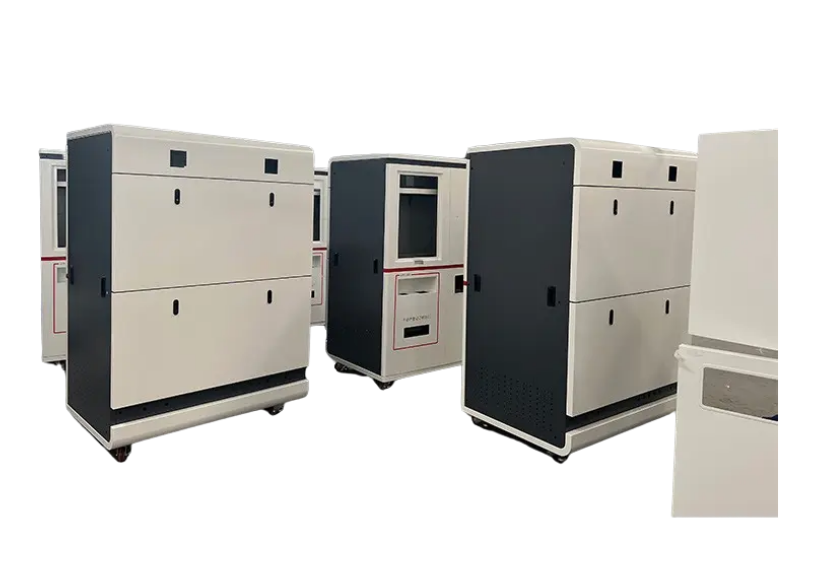
Achieving precise laser fusion cuts requires carefully balancing laser power and feed rate with material type and thickness. Excessive power can warp thin sheets, while insufficient energy may result in incomplete penetration or rough edges. Operators often rely on incremental trial cuts to determine optimal settings for each material, ensuring smooth, clean cuts. Monitoring cutting speed alongside power levels helps minimize surface striations, reduces post-processing needs, and maintains high production efficiency. Fine-tuning these parameters also improves consistency across multiple parts and helps optimize laser fusion cutting techniques.
Correct focal positioning is crucial to maximize energy concentration on the workpiece. Spot size must align with material thickness to achieve clean penetration without creating excessive heat-affected zones. Misaligned focal points can lead to uneven cuts, thermal distortion, or edge striations. Many operators use automatic focus systems to maintain consistent beam placement when cutting variable thicknesses. Adjusting focal height, combined with spot size optimization, enhances cut accuracy and improves overall edge quality, making it an essential step in optimizing laser fusion cuts for industrial applications.
In laser fusion cutting, inert gas flow plays a dual role: ejecting molten metal efficiently and protecting the cut edge from oxidation. Gas pressure must be sufficient to remove molten material without disturbing the kerf. Nozzle distance, type of gas, and flow rate should be adjusted according to the material being cut, whether stainless steel, aluminum, or titanium alloys. Properly tuned gas systems prevent striations and burn marks, resulting in cleaner edges and reducing the need for post-processing. Continuous monitoring ensures consistent cut quality and minimizes material waste during high-volume production.
For thicker materials or intricate patterns, staged or pulsed laser passes can significantly reduce thermal stress on the workpiece. By dividing the cut into multiple passes, heat accumulation is minimized, preventing warping and distortion. Pulsed techniques also allow precise control over molten metal ejection and edge quality. Fusion cutting particularly benefits from these approaches when producing high-precision components for aerospace, medical, or industrial applications. Implementing multi-pass strategies ensures superior surface finish, repeatable accuracy, and optimized efficiency even for complex designs.
Oxidation occurs when inert gas flow is inconsistent or an incorrect gas type is used. Burn marks often indicate excessive power or improper cutting speed. Maintaining steady gas flow and carefully adjusting laser parameters prevents discoloration and ensures consistent edge quality. Operators should monitor the cut in real time and perform test runs to detect potential issues early. Optimizing these factors reduces post-processing, increases productivity, and extends the lifespan of cutting equipment, ensuring a reliable workflow.
Striations or surface irregularities are frequently caused by fluctuations in laser power, unstable beam quality, or inconsistent gas supply. Fine-tuning parameters such as power, speed, and gas pressure can significantly reduce visible lines on cut edges. Regular maintenance of lenses, mirrors, and nozzles prevents deterioration of beam quality and ensures smooth, high-quality cuts. Understanding the sources of surface imperfections allows operators to proactively address issues before they affect production, improving both efficiency and material utilization.
Incomplete penetration or rough edges often result from underpowered lasers, incorrect focal positioning, or improper feed rates. Performing test cuts and systematically adjusting power, speed, and gas parameters enables operators to achieve consistent, precise cuts across different materials. Documenting successful settings helps maintain repeatable results and reduces trial-and-error during new projects. This approach ensures high-quality output, lowers scrap rates, and supports optimization strategies for laser fusion cutting operations.
The achievable cut quality depends on machine type, maximum laser power, and beam quality. Understanding these limitations is critical to avoid defective parts and maintain production efficiency. Different lasers—fiber or CO₂—have distinct characteristics affecting cut thickness, speed, and edge quality. Operators must select machines suited to specific materials and project requirements. Knowing equipment boundaries helps plan production schedules, prevent downtime, and optimize workflow for high-volume industrial or precision-critical applications.
Laser fusion cutting excels in producing stainless steel piping, panels, and intricate cutouts. It enables high-volume production without compromising edge precision or quality. The technique allows rapid processing of thin sheets while maintaining consistent dimensions, reducing the need for secondary finishing operations. This efficiency makes fusion cutting a preferred method for industrial sheet metal fabrication, where speed, accuracy, and minimal material waste are paramount.
Precision and repeatability are critical in aerospace and medical applications. Laser fusion cutting creates thin metal components with clean, uniform edges suitable for safety-critical parts. Its ability to minimize thermal distortion ensures high tolerances for complex geometries. The process supports the fabrication of intricate structures such as surgical instruments, aircraft panels, or aerospace brackets, where precision and material integrity cannot be compromised.
Materials prone to oxidation, such as titanium and magnesium alloys, benefit greatly from laser fusion cutting. The inert gas protects the molten edges, producing weld-ready parts with high-quality finishes. By reducing oxidation and thermal stress, the process improves both mechanical properties and aesthetic quality of specialty metals. This makes fusion cutting an essential choice for advanced engineering applications requiring durable, precision components.
Laser fusion cutting enables designers to achieve complex shapes and intricate patterns without post-processing. This capability reduces fabrication time and lowers overall production costs compared with traditional methods like mechanical or flame cutting. Whether creating decorative panels, precision enclosures, or custom brackets, the method delivers high repeatability and excellent edge quality, making it ideal for both small-batch and high-volume manufacturing.
Proper material preparation ensures stable and accurate cutting. Aligning sheets correctly, cleaning surfaces, and securely clamping materials prevents defects such as uneven edges or incomplete cuts. Pre-checking material condition, such as surface coating or oxidation, also contributes to improved cut quality. These steps form the foundation for successful fusion cutting and minimize wasted material, supporting consistent, high-quality production.
Routine calibration and maintenance are essential for optimal performance. Cleaning lenses, checking beam alignment, and inspecting gas systems prevent downtime and maintain consistent quality. Scheduled maintenance extends equipment lifespan and ensures that cutting parameters remain accurate across production runs. This proactive approach supports repeatable, high-quality cuts, which is crucial for industries where precision and reliability are non-negotiable.
Safety is paramount in laser fusion cutting operations. Enclosures, proper ventilation, and protective equipment protect operators from laser exposure and hazardous gases. Handling inert gases like nitrogen or argon must follow established protocols to prevent accidents. Training staff in safe operating procedures ensures compliance with safety standards and reduces the risk of workplace injuries, making safety a core part of any fusion cutting program.
Operators should continually refine laser parameters based on test cuts and production feedback. Incremental adjustments to power, speed, and gas flow help achieve repeatable, high-quality results. Maintaining a log of settings and outcomes allows successful configurations to be replicated across materials and projects. This iterative optimization improves efficiency, reduces waste, and ensures consistent precision across diverse cutting applications.
Laser fusion cutting ensures precise, clean metal edges. It improves efficiency and reduces waste. Welden--Smart and Precision Manufacturing. Technology offers advanced solutions, enabling high-quality aerospace, medical, and industrial components. Their products deliver consistent results, maximizing productivity and value.
A: Laser fusion cutting is a precision laser cutting method that melts metal and uses inert gas to eject molten material, producing clean edges and intricate designs.
A: Unlike flame or vaporization cutting, laser fusion cutting techniques focus on melting with inert gas, avoiding oxidation and reducing thermal distortion.
A: Common materials include stainless steel, aluminum, titanium, and magnesium alloys. Proper laser fusion cutting parameters ensure smooth, oxide-free edges.
A: It offers high precision, clean edges, minimal post-processing, and reduced material waste. Optimizing laser fusion cuts ensures consistent, high-quality results.
A: Adjust power, speed, focal position, and gas pressure incrementally. Following best practices laser fusion improves edge quality and reduces striations.
A: Problems include oxidation, burn marks, striations, or incomplete cuts. Correct laser cutting parameters and gas flow prevent these defects.
A: It works best for thin sheets. For thicker metals, multi-pass or pulsed techniques help reduce warping and maintain precision.
A: It’s widely applied in aerospace, medical, and industrial manufacturing for precise, complex components, maintaining structural integrity and reducing waste.
A: Operators should use enclosures, proper ventilation, and protective gear. Handling inert gas carefully is critical when following laser fusion cutting techniques.


